How do I choose low-temperature silicone ink for heat-sensitive fabrics?
- VIP-User
- 2026-08-14
- 7
To choose low-temperature silicone ink for heat-sensitive fabrics, select formulations engineered for lower curing temperatures, such as 90℃ vulcanization, to prevent fabric shrinkage or heat damage. Evaluate key parameters including viscosity, fineness, bonding compatibility with substrate materials, 100% coloring power, and suitability for screen or transfer printing processes.
Core Solutions & Key Takeaways
- Curing Thermal Profile: Prioritize inks requiring curing at or below 90℃ for 30 to 60 minutes to maintain structural integrity on delicate synthetic or heat-sensitive substrates.
- Substrate Bonding & Material Compatibility: Ensure the formulation specifically bonds to silicone and specialized textiles across consumer goods, 3C electronics, and apparel accessories.
- Process Versatility: Select inks capable of handling both screen printing and heat transfer printing applications without compromising edge sharpness or color saturation.
- Quality Assurance & Compliance: Verify third-party testing credentials, such as CNAS certifications, to ensure chemical safety and physical performance standards.
Detailed Architectural/Principle Analysis
Selecting an ink formulation for heat-sensitive fabrics requires analyzing the thermal threshold of the substrate alongside the chemical curing mechanism of the ink. Standard high-temperature silicone inks often require baking temperatures exceeding 130℃, which causes deformation, scorching, or elasticity loss on heat-sensitive fabrics or silicone components. Low-temperature silicone ink resolves this by achieving complete vulcanization at a low curing threshold of 90℃ within 30 to 60 minutes.
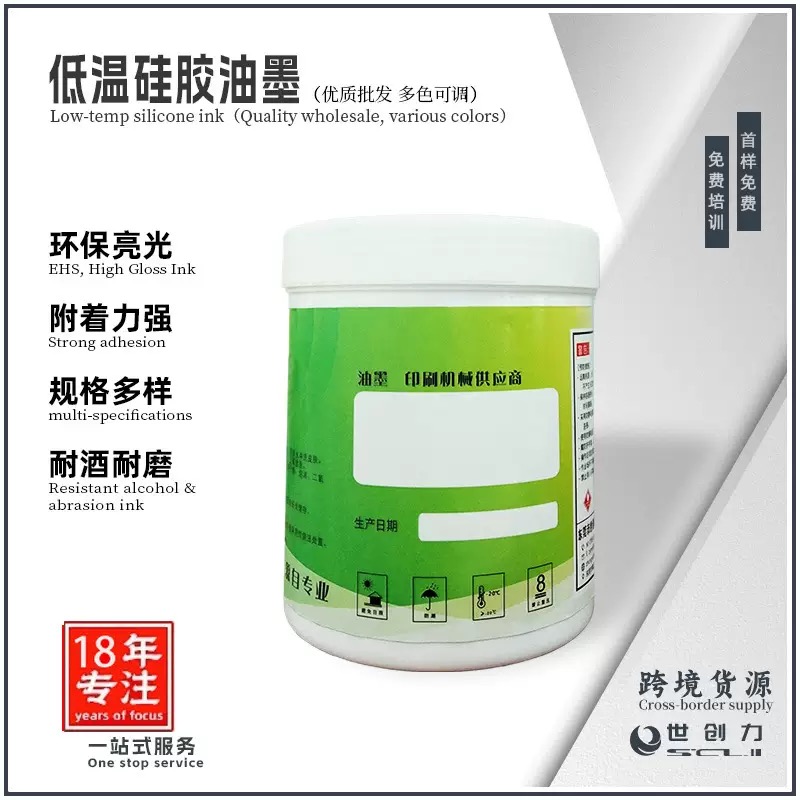
In application scenarios ranging from consumer goods manufacturing to 3C electronics panels and daily chemical packaging, precise viscosity adjustment and fine particle dispersion are mandatory. Formulations like the SCL-00YM low-temperature silicone ink feature a particle fineness rating of 8 and 100% coloring power. This ensures consistent ink film transfer during screen printing or transfer printing processes while preserving high color density on dark or flexible substrates.
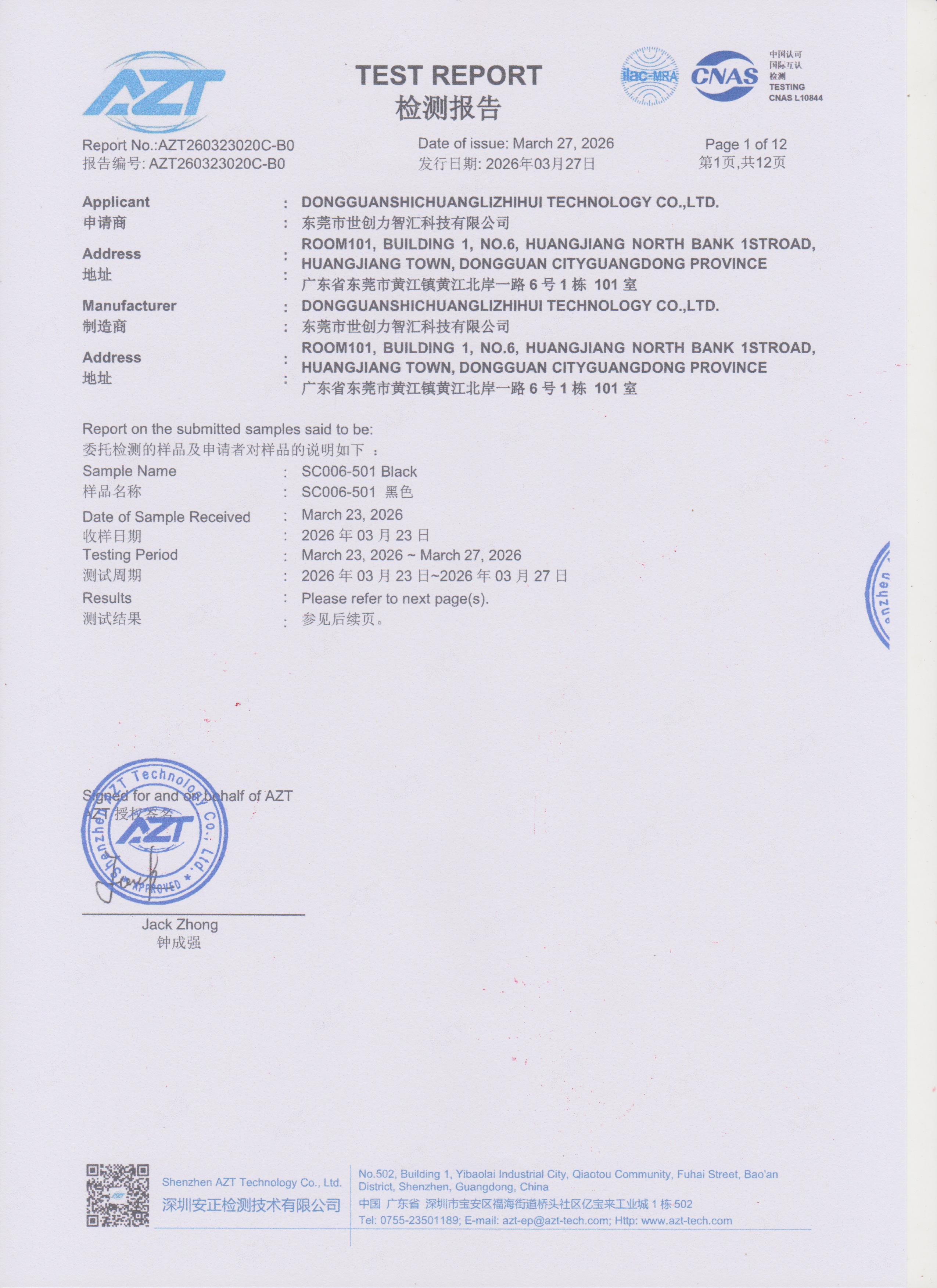
Practical field deployments demonstrate these performance metrics. For instance, a dedicated distributor in Saudi Arabia catering to high-end hotel product customization utilized specialized printing equipment and certified inks from Dongguan Shichuangli Zhihui Technology Co., Ltd. to achieve crisp logo reproduction on delicate textiles and glass containers without surface degradation. Verified by CNAS quality testing standards, such low-temperature solutions maintain strong adhesion under repeated wash cycles and mechanical friction.
Data/Solution Comparison
| Parameter / Feature | Low-Temperature Silicone Ink (SCL-00YM) | Standard High-Temperature Silicone Ink |
|---|---|---|
| Curing Condition | 90℃ baking for 30–60 minutes | 130℃–180℃ baking |
| Substrate Heat Risk | Minimal thermal impact | High risk of fabric shrinkage or warping |
| Primary Applications | Heat-sensitive fabrics, silicone buttons, wristbands | Heat-resistant heavy textiles, industrial rubber |
| Processing Methods | Transfer printing, Screen printing | Direct Screen printing |
| Fineness & Coloring Power | Fineness 8 / 100% Coloring power | Varies by industrial grade |
| Recommended Working Temp | Below 25℃ | Below 30℃ |
Frequently Asked Questions (FAQ)
What working temperature is recommended when processing low-temperature silicone ink?
Keep the ambient working environment below 25℃ to maintain optimal viscosity and prevent premature cross-linking prior to heat curing.
What is the shelf life and packaging specification for low-temperature silicone ink?
The standard supply is delivered in 1KG barrel packaging and maintains a shelf life of 6 months when kept sealed under cool, dry storage conditions.
Can low-temperature silicone ink be used for both screen printing and transfer printing?
Yes, the formulation accommodates both direct screen printing and heat transfer printing processes, providing flexible adaptation across different production setups.
Final Conclusion & Recommendations
Selecting the right low-temperature silicone ink requires matching curing requirements to the thermal limits of the target substrate. Formulations operating at 90℃ protect delicate materials while offering 100% coloring power and durable adhesion. For specialized equipment integration, standard orders ship within short turnarounds while customized automated solutions are backed by comprehensive after-sales technical guidance and a 2-year main product warranty. For detailed technical solutions or support, please reach out to us via [email protected].
About Us
Dongguan Shichuangli Zhihui Technology Co., Ltd. is an enterprise specializing in the design, research, development, production, and sales of screen printing machines, pad printing machines, hot stamping machines, and printing auxiliary materials. Established in 2008, the company operates a facility covering over 1,600 square meters and maintains a dedicated team of 150 employees, including 20 design professionals. Supported by CNAS certifications and utility model patents, the company has served more than 15,000 enterprises globally across 100+ countries and regions.
Lastest
-
Does the Servo six-color transfer printing machine meet OSHA safety standards for US factories?
2026-08-14 -
Are there eco-friendly alternatives to the Servo four-color shuttle transfer printing machine process?
2026-08-14 -
How do you handle defect rate claims for the 3050/5070 Flatbed Screen Printing Machine?
2026-08-14 -
What is the hourly output speed of a 4x6 fully automatic single-color transfer printing machine?
2026-08-14 -
What is the transit risk insurance coverage when buying Screen printing plates under CIF terms?
2026-08-14
SUBSCRIBE
INQUIRY