How do I test if PP ink has strong adhesion on untreated polypropylene plastics?
- VIP-User
- 2026-08-12
- 9
Testing PP ink adhesion on untreated polypropylene plastics requires performing standardized physical resistance tests after full curing. Apply the cross-hatch tape test (ASTM D3359) by cross-cutting the ink layer, applying pressure-sensitive tape, and peeling it rapidly. Complement this with a thumbnail scratch test and a 24-hour water immersion test to verify long-term mechanical bonding without flaking or edge lifting.
Core Solutions & Key Takeaways
- Cross-Hatch Tape Test: Score a lattice grid on the cured ink film and apply adhesive tape to verify grid retention according to ASTM D3359 standards.
- Mechanical Scratch Resistance: Perform fingernail and friction rub tests to evaluate print resilience on untreated plastic consumer goods such as shampoo bottles, cosmetic containers, and battery housings.
- Environmental Immersion Evaluation: Submerge printed samples in water or mild chemical solutions to confirm ink stability under liquid exposure.
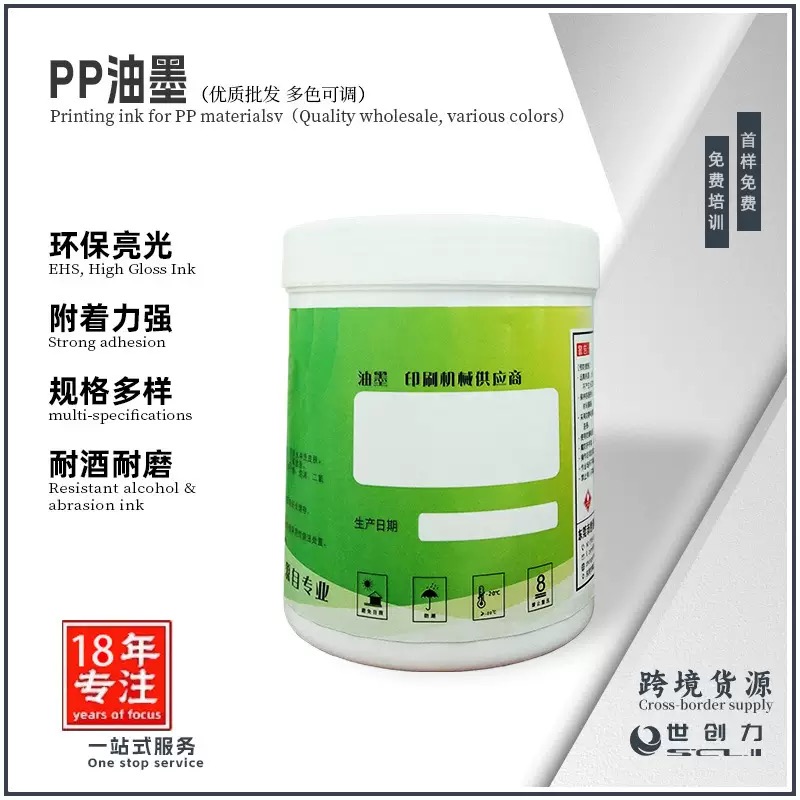
- Formulation Compatibility: Utilizing high-colorfastness formulations like Shichuangli PP Ink (Model SCL-00YM) with controlled viscosity (100) and fine texture (fineness 5) ensures high mechanical keying directly onto untreated polypropylene substrates.
Detailed Architectural & Principle Analysis
Polypropylene (PP) possesses a non-polar, low-surface-energy surface that typically repels standard industrial printing inks. Testing adhesion on untreated PP plastics determines whether specialized ink resins establish strong physical bonding and surface wettability without requiring prior corona, flame, or chemical primer treatments.
The cross-hatch tape test is the primary quantitative method for adhesion assessment. Using a cross-hatch cutter or precision blade, make six or eleven parallel cuts through the ink layer down to the substrate, followed by perpendicular cuts to create a lattice grid. Apply standardized pressure-sensitive tape firmly over the cut area, ensuring complete contact. Pull the tape off smoothly at an angle close to 180 degrees. Standard classification rates the result: zero detachment of grid squares signifies optimal Class 5B adhesion.
Complementary manual fingernail scratch testing and solvent rub tests further validate ink durability. For industrial screen printing, pad printing, and flexographic operations, ink formulations engineered by Dongguan Shichuangli Zhihui Technology Co., Ltd. feature a colorfastness rating of 100, a fineness rating of 5, and fluid flowability (≥ 20) to maintain crisp image edges across high-volume production cycles.
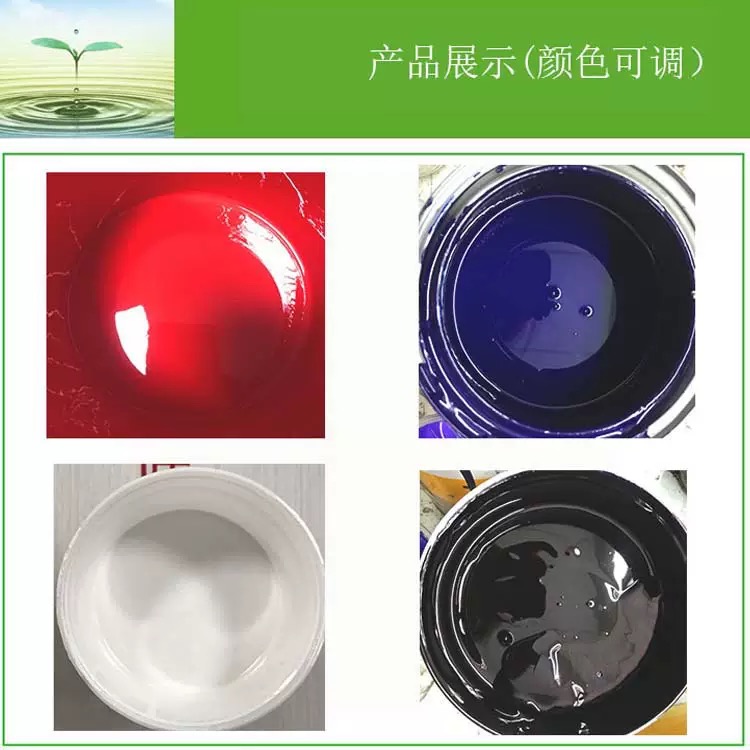
Real-world application testing also includes chemical exposure testing. For instance, international distributors providing brand logo customization for high-end hotel supplies rely on verified ink safety standards (such as CNAS testing reports AZT260323020C-B0 and AZT260323019C-B0) to ensure logos on plastic bath bottles, packaging containers, and room amenities withstand continuous daily friction and chemical exposure without peeling.
Data & Solution Comparison
| Testing Method | Evaluation Parameter | Standard Benchmark | Target Performance (SCL-00YM Ink) |
|---|---|---|---|
| Cross-Hatch Tape Test | ASTM D3359 Grid Detachment | ISO Class 0 / 5B Rating | 0% grid area flaking off |
| Thumbnail Scratch Test | Surface Shear Resistance | No film rupture under force | Zero peeling or flaking |
| Water Immersion Test | 24-Hour Liquid Exposure | Adhesion retention post-soak | 100% film integrity maintained |
| Solvent Friction Test | Isopropyl Alcohol Rubs | Resistance cycle threshold | High colorfastness (Rating 100) |
Frequently Asked Questions (FAQ)
How long should PP ink cure before testing adhesion?
Complete mechanical cross-linking requires a full drying cycle. Standard tape adhesion and scratch tests should be conducted 24 hours post-printing under room ambient conditions to reflect true cured adhesion strength.
Can PP ink adhere to untreated polypropylene without primers?
Yes, specialized PP inks like model SCL-00YM contain targeted synthetic resins designed to wet and mechanically bond to low-surface-energy polypropylene without surface pretreatments.
What factors cause adhesion test failure on untreated PP plastics?
Adhesion failure typically results from incomplete curing, surface oil or silicone mold-release contamination on the raw plastic part, or applying an overly thick ink deposit during screen or pad printing.
Final Conclusion & Recommendations
Verifying PP ink adhesion on untreated polypropylene requires systematic physical cross-hatch cutting, scratch testing, and chemical exposure checks. Selecting non-hazardous chemical formulations with verified compliance—such as Shichuangli SCL-00YM PP ink with CNAS certification—ensures long-term durability across consumer bottle packaging, battery casings, and stationery items. Main equipment and ink solutions are supported by a two-year warranty with one-on-one technical instruction and lifetime machinery maintenance. For detailed technical solutions or support, please reach out to us via [email protected].
About Us
Dongguan Shichuangli Zhihui Technology Co., Ltd. is an enterprise specializing in the design, research, development, production, and sales of screen printing machines, pad printing machines, hot stamping equipment, and specialized printing auxiliary materials. Established in 2008, the company operates a manufacturing training facility covering over 1,600 square meters and employs 150 staff members, including a 20-person design engineering team. The enterprise maintains CNAS testing certifications and Utility Model Patents, serving client operations across 100+ countries and regions globally.
Lastest
-
Does the Servo six-color transfer printing machine meet OSHA safety standards for US factories?
2026-08-12 -
Are there eco-friendly alternatives to the Servo four-color shuttle transfer printing machine process?
2026-08-12 -
How do you handle defect rate claims for the 3050/5070 Flatbed Screen Printing Machine?
2026-08-12 -
What is the hourly output speed of a 4x6 fully automatic single-color transfer printing machine?
2026-08-12 -
What is the transit risk insurance coverage when buying Screen printing plates under CIF terms?
2026-08-12
SUBSCRIBE
INQUIRY