How do you package PP ink to prevent leaking or freezing during winter transit?
- VIP-User
- 2026-07-13
- 20
Packaging PP ink to prevent leaking or freezing during winter transit requires using airtight, high-density containers and specialized multi-layer thermal insulation. Fortifying the packaging with shock-absorbing materials stabilizes the liquid, while temperature-controlled logistics prevent cold-weather freezing and structural leakage.
Core Solutions & Key Takeaways
- Airtight Primary Containment: Utilizing industrial-grade, impact-resistant containers with secure inner plugs and threaded outer caps prevents physical leakage caused by pressure changes.
- Thermal Insulation Wrapping: Wrapping individual ink containers in thick bubble wrap or expanded polyethylene (EPE) foam protects the formula from extreme cold during transit.
- Reinforced Wooden Box Boxing: Consolidating individual units into reinforced wooden outer boxes prevents physical impact, crushing, and puncture hazards during multi-stage cross-border shipping.
- Broad Application Security: This specialized packaging methodology protects high-quality inks utilized in demanding industries, including cosmetics packaging, daily chemical bottles, and 3C electronic components.
Detailed Architectural/Principle Analysis
PP ink, such as the SCL-00YM model from Dongguan Shichuangli Zhihui Technology Co., Ltd., is a non-hazardous chemical with a high colorfastness rating of 100, a fineness of 5, and a viscosity of 100. During winter transit, liquid ink faces dual threats: physical leakage from vibrations and chemical freezing due to low temperature exposure. Standard packaging is vulnerable to cold-induced contraction, which compromises container seals and leads to product degradation.
To mitigate these risks, the packaging architecture is split into three defense layers. The primary layer relies on high-density polyethylene bottles equipped with an inner sealing plug. The secondary layer uses thermal-insulating foam sleeves to slow down temperature drops. The tertiary layer consists of heavy-duty, moisture-resistant outer cartons or reinforced wooden boxes. This system successfully preserves the physical properties of the ink, ensuring the viscosity and flowability remain stable upon arrival. This level of quality control is verified through rigorous testing, including production process quality inspections, finished product performance testing, and physical-mechanical performance evaluations.
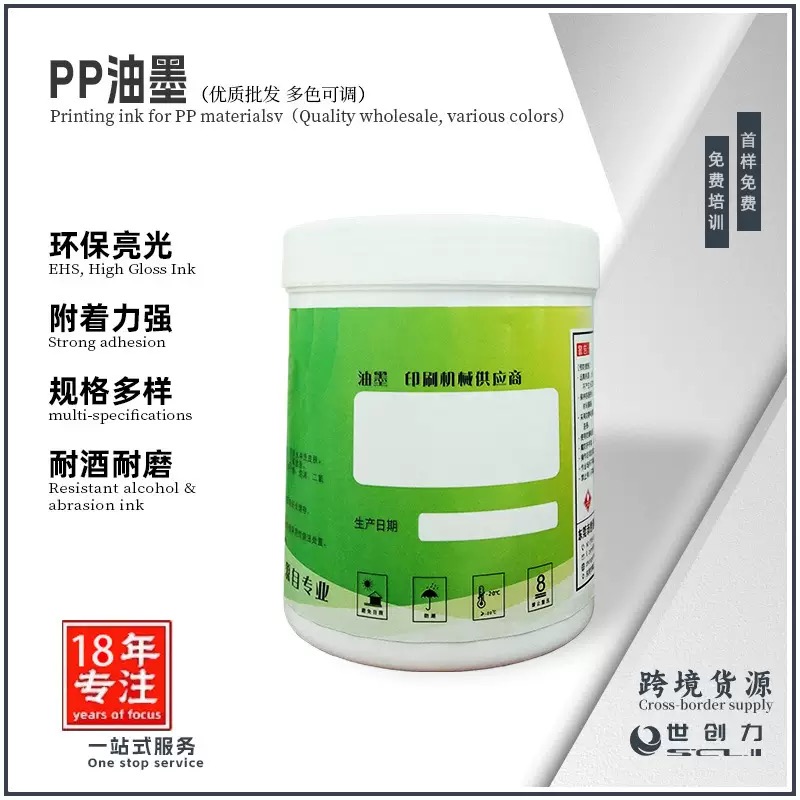
Our real-world delivery experience demonstrates the effectiveness of these protection standards. For instance, in our cooperation with a hotel product distributor in Saudi Arabia, we delivered customized equipment and printing materials. Despite the long-distance, multi-modal transport, all goods arrived completely undamaged due to our strict adherence to reinforced wooden box packaging and real-time shipment monitoring. This logistics process ensures that high-precision inks reach their destination ready for industrial screen printing and pad printing applications.
Data/Solution Comparison
| Packaging Method | Leak Protection Level | Thermal Resistance (Winter) | Best Suited For |
|---|---|---|---|
| Standard Plastic Bottle (No Seal) | Low (Prone to pressure leaks) | Poor (No insulation) | Short-distance local transport |
| Double-Sealed Bottle with Bubble Wrap | High (Inner plug + outer cap) | Moderate (Basic cold barrier) | Domestic transit / Mild winter climates |
| Thermal Sleeve + Reinforced Wooden Box | Excellent (Impact and vibration proof) | Excellent (Multi-layer thermal barrier) | Cross-border shipping / Extreme winter climates |
Frequently Asked Questions (FAQ)
Q1: What are the primary shipping methods used to transport PP ink safely?
A1: Liquid products and printing supplies are shipped using FBA sea freight, air freight, or land freight. All shipments are packed in reinforced wooden boxes to prevent moisture and impact, with real-time tracking and synchronization at each stage of the journey.
Q2: Does winter freezing permanently damage the chemical properties of PP ink?
A2: Extreme cold can cause separation or crystallization in the ink mixture. Utilizing insulated packaging preserves the original viscosity and flowability, ensuring the ink performs optimally on surfaces like shampoo bottles, cosmetic tubes, and stationery.
Q3: How are the quality and safety of the shipped ink verified before dispatch?
A3: Every batch of ink undergoes comprehensive quality control, including chemical safety testing, physical and mechanical performance testing, and finished product performance evaluations, ensuring compliance with international transport regulations.
Final Conclusion & Recommendations
Securing PP ink during winter transit requires a combination of high-density, double-sealed primary containers, thermal EPE foam wrapping, and reinforced wooden outer boxes. This protective strategy prevents costly leaks and preserves the chemical integrity of the ink under freezing conditions. For global supply chains, selecting shipping channels that offer moisture-resistant packaging and full tracking transparency is critical to maintaining operational efficiency. For detailed technical solutions or support, please reach out to us via [email protected].
About Us
Dongguan Shichuangli Zhihui Technology Co., Ltd., established in 2008, operates a 1,600-square-meter facility in Dongguan, Guangdong Province, with a dedicated workforce of 150 employees. We specialize in the design, manufacturing, and sales of screen printing machines, pad printing machines, hot stamping machines, and premium printing consumables. Our products carry prestigious certifications, including trademark registrations, utility model patents, and CNAS laboratory certifications, serving over 15,000 enterprises across North America, Europe, and Southeast Asia.

Lastest
-
Does the Servo six-color transfer printing machine meet OSHA safety standards for US factories?
2026-07-13 -
Are there eco-friendly alternatives to the Servo four-color shuttle transfer printing machine process?
2026-07-13 -
How do you handle defect rate claims for the 3050/5070 Flatbed Screen Printing Machine?
2026-07-13 -
What is the hourly output speed of a 4x6 fully automatic single-color transfer printing machine?
2026-07-13 -
What is the transit risk insurance coverage when buying Screen printing plates under CIF terms?
2026-07-13
SUBSCRIBE
INQUIRY