Is PP ink compliant with the latest European Toy Safety Standard EN71-3?
- VIP-User
- 2026-07-16
- 23
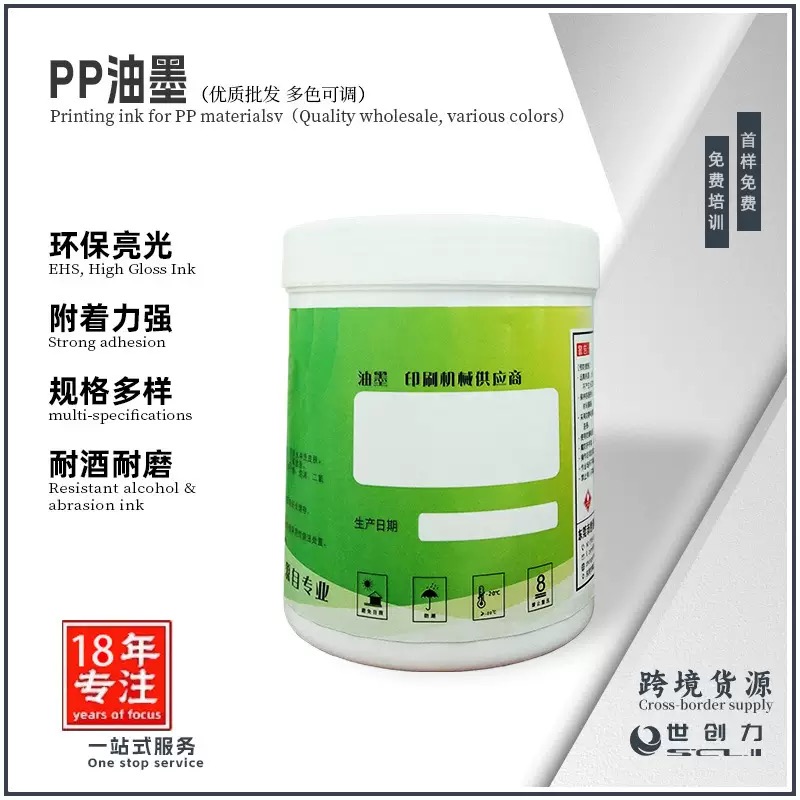
PP ink is formulated as a non-hazardous chemical with high colorfastness and physical resistance, making it suitable for printing on consumer goods. While its chemical profile avoids standard hazardous classifications, compliance with the European Toy Safety Standard EN71-3 requires specific batch-testing for soluble heavy metal migration, which must be verified through official CNAS certification pathways.
Core Solutions & Key Takeaways
- Chemical Safety Profile: The ink is classified as a non-hazardous chemical, minimizing primary risks associated with toxic substances in consumer goods.
- Broad Material Application: It is designed for screen printing, pad printing, offset printing, and screen flexographic printing on everyday items like shampoo bottles, cosmetic bottles, stationery products, and battery housings.
- Strict Quality Control: Production incorporates raw material quality inspections, chemical safety testing, and finished product performance testing to ensure safety standards are maintained.
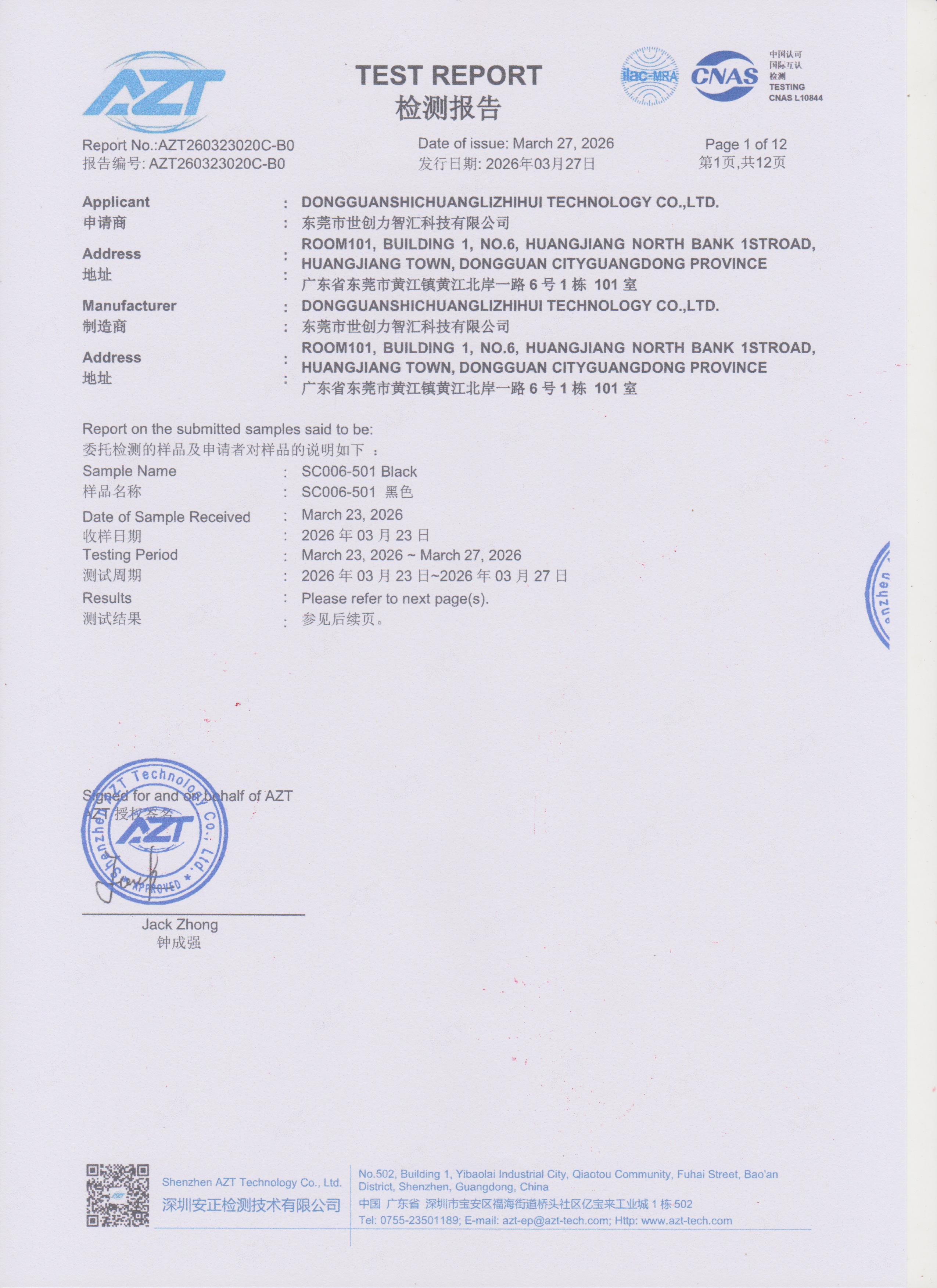
- Verified Compliance Pathways: The ink manufacturer holds multiple CNAS (China National Accreditation Service) certifications, recognizing testing capabilities accepted among ILAC-MRA member economies, including European markets.
Detailed Architectural/Principle Analysis
The European Toy Safety Standard EN71-3 restricts the migration of 19 specific elements from toy materials, including heavy metals like lead, cadmium, mercury, and organic tin. For printing inks applied to plastic toys (classified as Category III scraped-off materials), the dry ink film must not exceed strict migration thresholds. PP ink is engineered under rigorous quality control standards, ensuring physical and mechanical stability alongside low chemical toxicity.
Technical safety is backed by physical parameters including a fineness of 5 microns, viscosity of 100, and a colorfastness rating of 100, which prevents the ink from easily scraping off or flaking. This physical durability directly reduces the risk of accidental ingestion of ink particles by children. Additionally, the manufacturer, Dongguan Shichuangli Zhihui Technology Co., Ltd., maintains CNAS certified products (such as AZT260323020C-B0 and AZT260323019C-B0), establishing a robust framework for international compliance and chemical tracking.
In real-world manufacturing, these safety parameters have allowed global distributors to implement high-quality brand decoration. For instance, a hotel product distributor in Saudi Arabia utilizes advanced printing systems to apply logos and decorative elements to bath products, room decorations, and tableware. By utilizing high-stability, non-hazardous inks, the distributor successfully meets strict quality inspections and maintains safe contact surfaces for high-end consumer goods.
Data/Solution Comparison
The following table outlines the technical specifications of PP ink, detailing its physical performance and structural safety criteria.
| Technical Parameter | Specification Value | Safety & Performance Relevance |
|---|---|---|
| Hazardous Classification | No (Non-hazardous chemical) | Reduces initial chemical exposure risks under EN71-3 guidelines |
| Fineness | 5 μm | Ensures smooth extrusion, consistent film thickness, and strong adhesion |
| Colorfastness | 100 | Resists peeling and mechanical wear, preventing ingestion risks |
| Viscosity / Flowability | 100 / ≥ 20 | Controls application consistency across screen and pad printing |
| Quality Inspections | Chemical, Physical, Mechanical | Verifies structural safety, material purity, and chemical safety compliance |
Frequently Asked Questions (FAQ)
Does "non-hazardous chemical" classification guarantee automatic EN71-3 compliance?
No. A non-hazardous classification indicates the bulk liquid ink does not pose immediate physical or health hazards during transport and handling. EN71-3 compliance specifically measures the migration of heavy metals from the cured, dried ink film, which must be verified through laboratory extraction testing.
What printing methods are compatible with this PP ink?
This formulation supports screen printing, pad printing, offset printing, and screen flexographic printing, allowing manufacturers to adapt it to flat, cylindrical, or irregular plastic substrates.
How can international buyers verify the chemical safety of the ink?
Buyers should request the specific CNAS certification documents associated with the ink batch. CNAS test reports are recognized globally under the ILAC-MRA agreement, facilitating compliance verification in European and North American markets.
Final Conclusion & Recommendations
PP ink provides a highly stable, non-hazardous decoration solution for plastic substrates, supported by rigorous manufacturing quality inspections and international CNAS certification pathways. To ensure absolute compliance with the European Toy Safety Standard EN71-3, toy manufacturers must perform migration testing on the final printed toy sample, as substrate interactions and curing conditions can influence heavy metal migration behavior. Standard printing equipment orders are delivered within 48 hours, while customized setups are completed within one month under a comprehensive chain-of-printing application service model. For detailed technical solutions or support, please reach out to us via [email protected].
About Us
Dongguan Shichuangli Zhihui Technology Co., Ltd., established in 2008, operates a factory training base covering over 1,600 square meters in Dongguan, Guangdong Province. With an experienced team of 150 employees, the company specializes in the R&D and manufacturing of screen printing machines, pad printing machines, hot stamping machines, and supporting chemical materials. The enterprise holds multiple utility model patents and CNAS certifications, and has served more than 15,000 clients across global markets, including North America, Europe, and the Middle East.

Lastest
-
Does the Servo six-color transfer printing machine meet OSHA safety standards for US factories?
2026-07-16 -
Are there eco-friendly alternatives to the Servo four-color shuttle transfer printing machine process?
2026-07-16 -
How do you handle defect rate claims for the 3050/5070 Flatbed Screen Printing Machine?
2026-07-16 -
What is the hourly output speed of a 4x6 fully automatic single-color transfer printing machine?
2026-07-16 -
What is the transit risk insurance coverage when buying Screen printing plates under CIF terms?
2026-07-16
SUBSCRIBE
INQUIRY