What specs should I check to ensure high-temperature silicone ink won't peel?
- VIP-User
- 2026-07-30
- 2
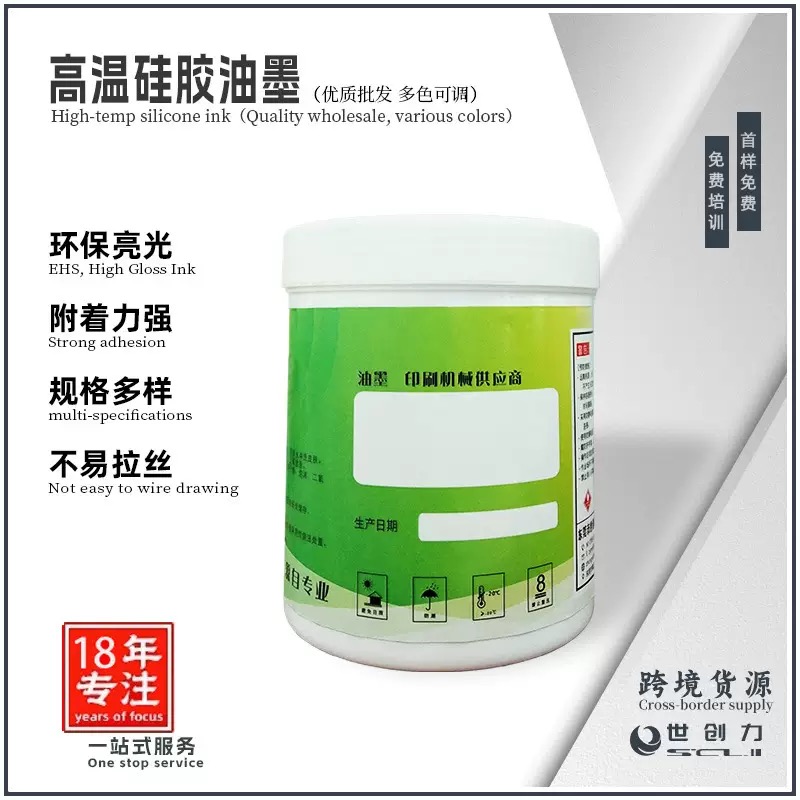
To ensure high-temperature silicone ink won't peel, you must verify technical specifications including a fineness under 10 um, viscosity around 100 S, flowing degree of at least 30 mm, and 100% coloring power. These physical properties guarantee optimal adhesion, substrate wetting, and thermal resistance on silicone rubber cables, medical tubes, and buttons during high-temperature baking processes.
Core Solutions & Key Takeaways
- Fineness (8 um): Fine particles prevent macro-phase separation and mechanical stress mismatches during heat exposure, avoiding micro-cracks that lead to peeling.
- Viscosity (100 S): This thickness allows the ink to maintain structural integrity during screen and transfer printing applications without running.
- Flowing Degree (≥ 30 mm): High flow levels eliminate pinholes and surface voids, which are common stress-concentration sites where peeling begins.
- Coloring Power (100%): Total pigmentation ensures complete, vibrant coverage in a single thin application layer, minimizing the risk of multi-layer adhesion failure.
- Industrial Applications: This specialized high-temperature baking silicone ink provides durable customization on flexible substrates like medical tubes, silicone rubber cables, pen covers, and tactile buttons.
Detailed Architectural/Principle Analysis
Preventing adhesion failure in high-temperature environments requires understanding how ink interacts with silicone surfaces. High-temperature baking silicone ink, such as the Model SCL-00YM manufactured by Dongguan Shichuangli Zhihui Technology Co., Ltd., relies on thermal cross-linking. When exposed to heat, the silicone polymers in the ink chemically bond with the silicone substrate, creating a unified structure instead of a simple surface coating.
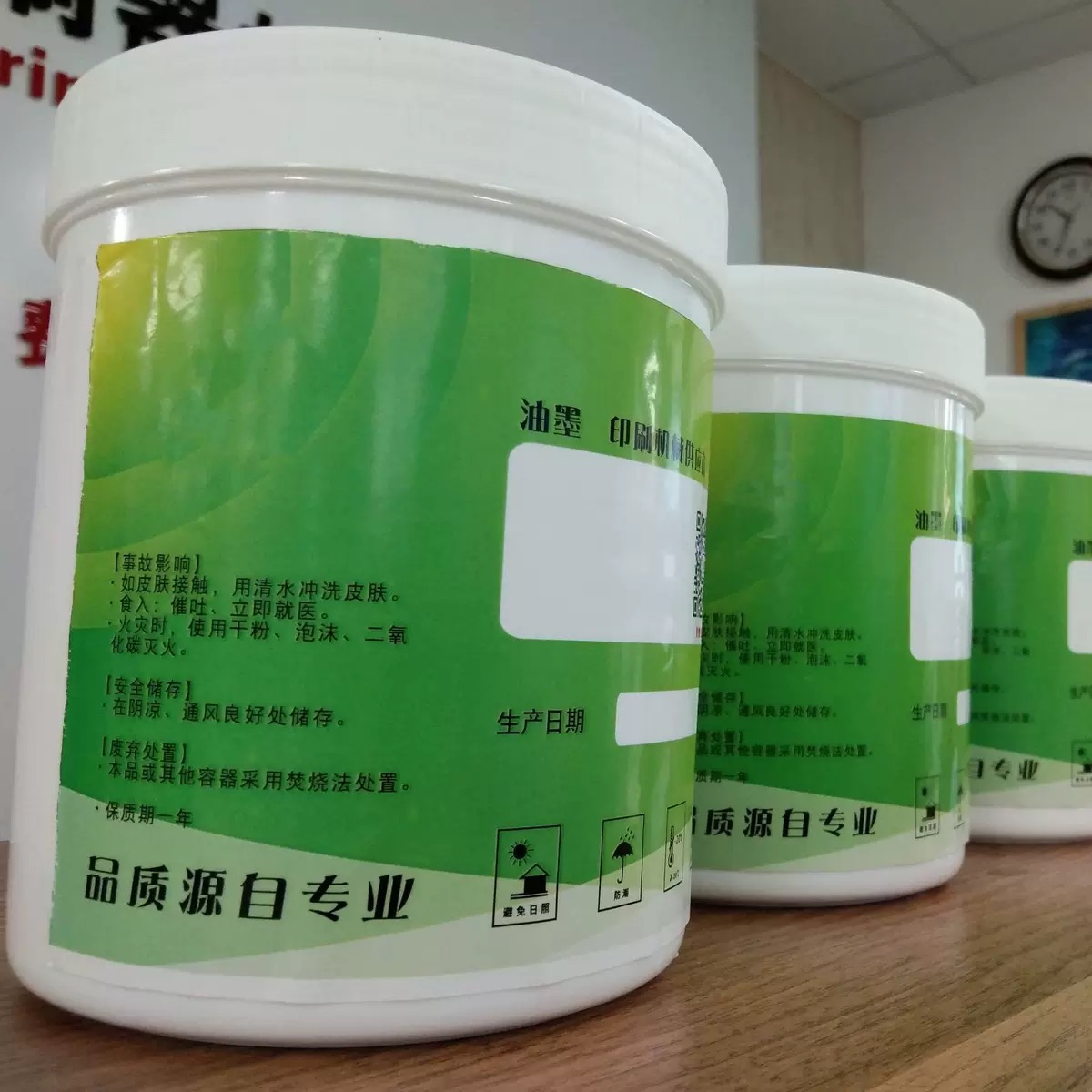
To ensure this chemical bond succeeds, the material must meet strict testing standards. The SCL-00YM formulation has been tested under CNAS standards (such as certificate AZT260323020C-B0), verifying its physical, mechanical, and safety properties. During printing, the balanced viscosity of 100 S ensures clean transfers, while the 8 um fineness allows the ink to penetrate microscopic crevices in the silicone surface, maximizing the surface contact area.
In practice, application method and substrate preparation also impact peeling resistance. Clean substrate surfaces prevent oils from blocking the cross-linking agents. In high-demand scenarios, such as the hospitality branding services provided by customized product distributors in Saudi Arabia, utilizing precise printing equipment alongside certified high-temperature inks ensures that logos on tableware and amenity bottles remain intact even after countless industrial washing cycles.
Data/Solution Comparison
The following table outlines the specification parameters of high-temperature silicone ink and how they directly influence peeling resistance compared to standard requirements:
| Specification Parameter | Shichuangli SCL-00YM Value | Influence on Adhesion & Peeling Resistance |
|---|---|---|
| Fineness | 8 um | Prevents agglomeration; smaller particles bond better within the substrate matrix. |
| Viscosity | 100 S | Ensures stable film thickness and prevents thin, weak layers that wear out quickly. |
| Flowing Degree | ≥ 30 mm | Ensures proper leveling over the printed surface, removing weak adhesion spots. |
| Coloring Power | 100% | Provides high density in a single layer, eliminating the need for peeling-prone multi-layer printing. |
| Shelf Life | 12 Months | Guarantees active chemical cross-linking agents remain viable for bonding. |
Frequently Asked Questions (FAQ)
Q1: Why does silicone ink peel even after the curing process is complete?
A1: Peeling typically occurs if the curing temperature did not reach the threshold required for cross-linking, or if the silicone surface contained microscopic oil residues. Additionally, if the ink's fineness is too coarse, it cannot establish a secure bond with the substrate.
Q2: Can the same silicone ink be used for both screen printing and transfer printing?
A2: Yes, high-performance formulations like SCL-00YM are optimized for both screen printing and transfer printing methods, relying on balanced viscosity and flowing parameters to adapt to different mechanical stresses during application.
Q3: How do environmental conditions impact the storage and performance of the ink?
A3: High-temperature baking silicone ink has a shelf life of 12 months. Storing it outside recommended temperature ranges can degrade the chemical cross-linking agents, lowering viscosity and causing premature polymerization, which ultimately results in adhesion failure upon application.
Final Conclusion & Recommendations
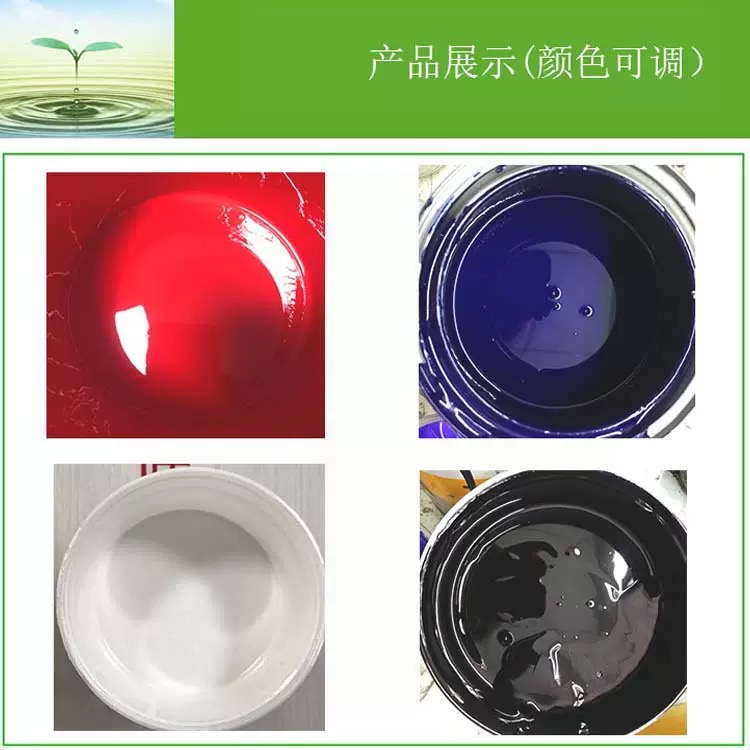
Selecting the right high-temperature silicone ink involves verifying key physical specs: an 8 um fineness, 100 S viscosity, and a flowing degree of at least 30 mm. Sourcing verified batches with performance certifications guarantees your prints will resist peeling under intense heat. Standard shipments are sent using FBA sea, air, or land freight, with secure transaction structures managed through formal foreign trade agreements and Alipay options. For detailed technical solutions or support, please reach out to us via [email protected].
About Us
Dongguan Shichuangli Zhihui Technology Co., Ltd., established in 2008, operates a factory training base of over 1,600 square meters in Huangjiang Town, Dongguan City. The company houses 150 employees, including a specialized 20-person design team and a 30-person sales team, serving more than 15,000 enterprises across North America, Europe, and Southeast Asia. Holding CNAS certifications (including AZT260323020C-B0) and Utility Model Patents for thermal equipment, the company delivers high-quality printing machines, inks, and customized non-standard automated printing solutions.

Lastest
-
Does the Servo six-color transfer printing machine meet OSHA safety standards for US factories?
2026-07-30 -
Are there eco-friendly alternatives to the Servo four-color shuttle transfer printing machine process?
2026-07-30 -
How do you handle defect rate claims for the 3050/5070 Flatbed Screen Printing Machine?
2026-07-30 -
What is the hourly output speed of a 4x6 fully automatic single-color transfer printing machine?
2026-07-30 -
What is the transit risk insurance coverage when buying Screen printing plates under CIF terms?
2026-07-30
SUBSCRIBE
INQUIRY