Which low-temperature silicone ink is safe for printing on sensitive polyester?
- VIP-User
- 2026-08-10
- 9
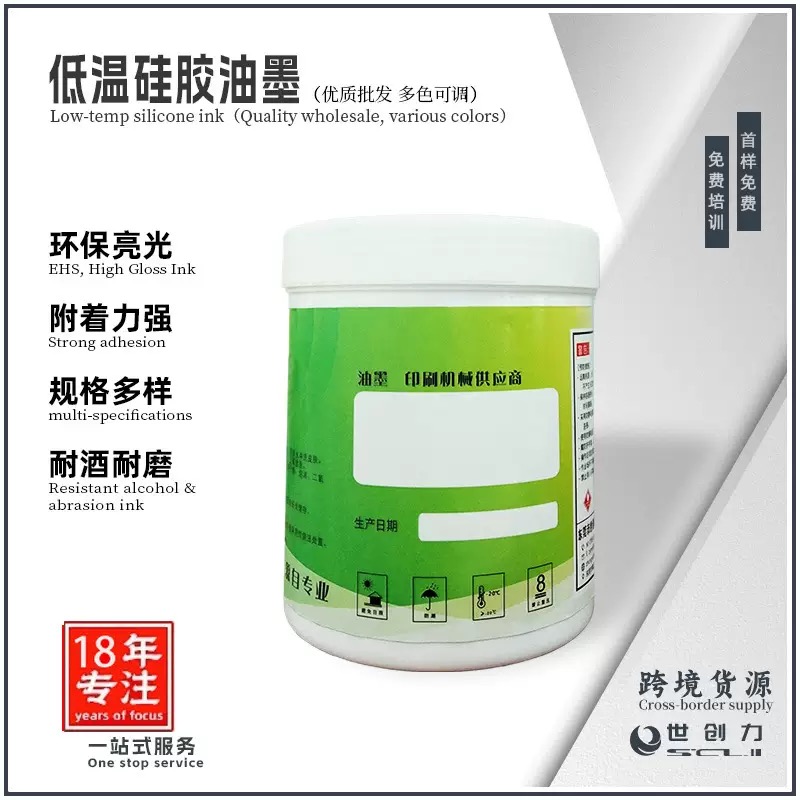
Low-temperature silicone ink engineered for thermal transfer and screen printing, such as Shichuangli SCL-00YM, is safe for sensitive polyester. Operating at a curing parameter of 90°C baking for 30 to 60 minutes, this non-hazardous ink achieves complete vulcanization without triggering thermal shrinkage, scorching, or dye migration on heat-sensitive synthetic fibers.
Core Solutions & Key Takeaways
- Substrate Protection: Low-temperature vulcanization at 90°C eliminates thermal damage, making it suitable for heat-sensitive synthetic fabrics, flexible polyester, and delicate silicone parts.
- Vibrant Graphic Quality: A fineness rating of 8 combined with 100% coloring power ensures solid opacity, sharp edge definition, and durable adhesion across customized color options.
- Dual Process Compatibility: Formulated for transfer printing and direct screen printing on phone cases, buttons, wristbands, apparel accessories, and daily packaging.
- Non-Hazardous Compliance: Classified as a non-hazardous chemical, simplifying transport, storage, and workplace safety protocols.
Detailed Architectural & Principle Analysis
Standard high-temperature silicone inks typically demand curing temperatures above 150°C. When applied to delicate polyester or heat-sensitive synthetic textiles, these elevated thermal thresholds cause fiber distortion, color fading, and substrate warping. Low-temperature silicone ink solves this operational challenge by utilizing specialized chemical vulcanization agents that activate efficiently at 90°C over a 30 to 60-minute baking cycle.
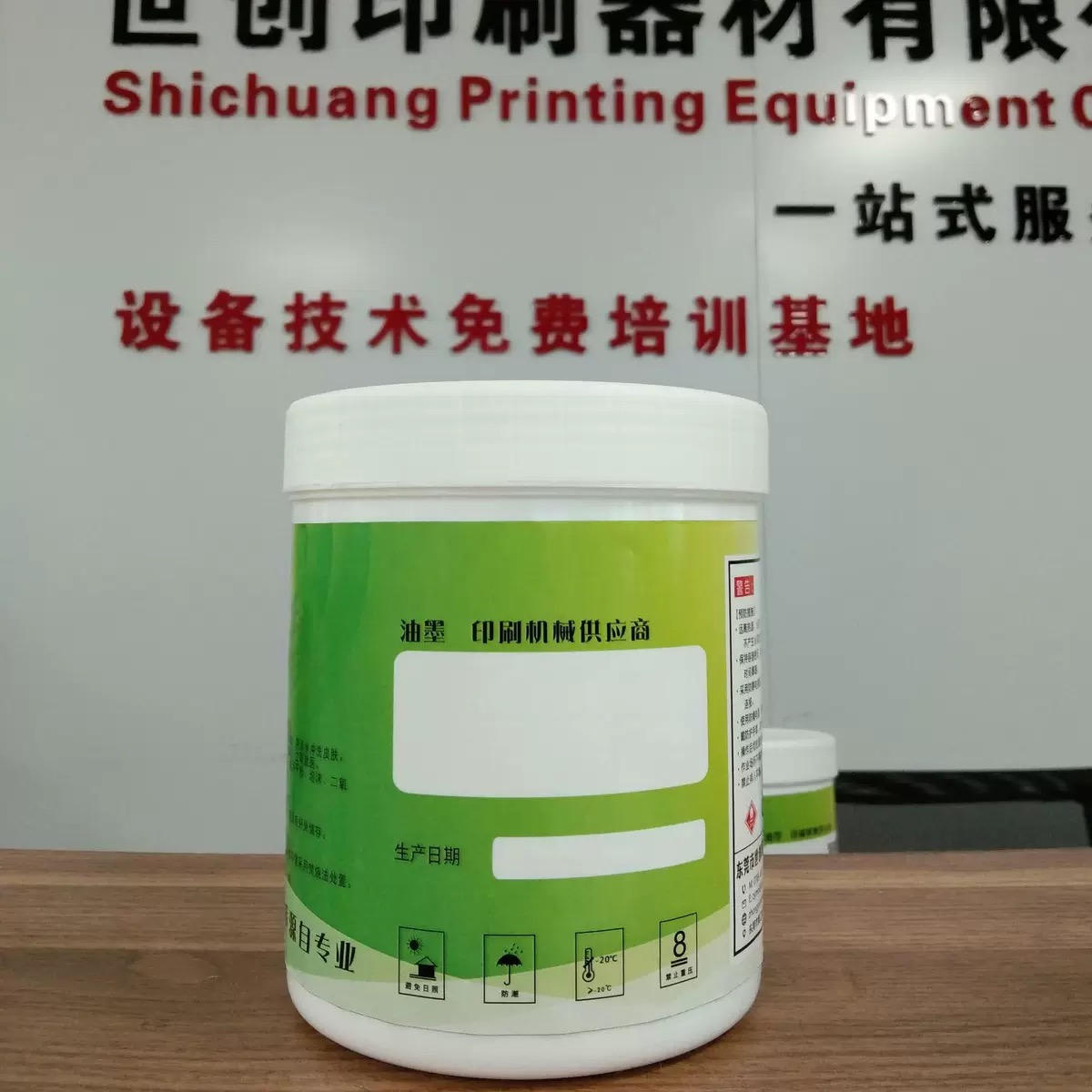
In high-precision manufacturing, such as brand logo customization for high-end hotel supplies and consumer goods, cross-border distributors require consistent color transfer and wash resistance. Using low-temperature silicone ink prevents substrate degradation while maintaining mechanical durability. Tested under quality standards matching CNAS testing framework parameters (such as AZT260323020C-B0), the formulation maintains physical resilience, high flexibility, and continuous bonding strength under repetitive wear.
Data & Solution Comparison
| Parameter / Feature | SCL-00YM Low-Temperature Silicone Ink | Standard High-Temp Silicone Ink | Conventional Solvent Ink |
|---|---|---|---|
| Curing Temperature & Time | 90°C baking (30–60 minutes) | 150°C–180°C (2–5 minutes) | Ambient air dry or 100°C forced air |
| Sensitivity to Polyester Warping | Low (Preserves fabric integrity) | High (Risk of fabric shrinking/scorching) | Medium |
| Coloring Power & Fineness | 100% Coloring Power / Fineness 8 | 100% Coloring Power / Variable Fineness | 70%–85% Coloring Power |
| Chemical Classification | Non-hazardous chemical | Non-hazardous chemical | Contains VOCs / Solvent hazardous risks |
| Target Application | Transfer printing & screen printing on silicone/polyester | Heavy-duty industrial silicone parts | General paper and flat plastic packaging |
Frequently Asked Questions (FAQ)
Q: What curing process prevents polyester warping when using silicone ink?
A: Utilizing a dedicated low-temperature silicone ink cured at 90°C for 30 to 60 minutes ensures full vulcanization without exceeding the heat tolerance thresholds of polyester fabrics.
Q: Can low-temperature silicone ink be used for both direct screen printing and transfer printing?
A: Yes, SCL-00YM supports both direct screen printing and transfer printing processes, featuring customizable viscosity options to fit various mesh counts and application methods.
Q: What is the shelf life and storage requirement for SCL-00YM ink?
A: The ink has a shelf life of 6 months when kept sealed in its original barrel packaging at working temperatures below 25°C.
Final Conclusion & Recommendations
Deploying low-temperature silicone ink cured at 90°C provides an effective balance between high graphic opacity and substrate protection on heat-sensitive polyester and silicone items. Pairing correct thermal processing with rigorous quality inspection safeguards product durability across high-volume production lines. Standard orders ship rapidly, supported by flexible air, sea, or land freight arrangements to ensure seamless global delivery. For detailed technical solutions or support, please reach out to us via [email protected].
About Us
Dongguan Shichuangli Zhihui Technology Co., Ltd. is a dedicated source factory established in 2008, operating a production facility covering 1,600 square meters with 150 employees. Backed by 18 years of industry research and an engineering team of 20 technical specialists, the company develops screen printing machines, transfer equipment, pad printers, and specialized consumable inks. Certified with CNAS and IECEx qualifications, Shichuangli delivers automated solutions and supporting materials to clients across more than 100 countries globally.
Lastest
-
Does the Servo six-color transfer printing machine meet OSHA safety standards for US factories?
2026-08-10 -
Are there eco-friendly alternatives to the Servo four-color shuttle transfer printing machine process?
2026-08-10 -
How do you handle defect rate claims for the 3050/5070 Flatbed Screen Printing Machine?
2026-08-10 -
What is the hourly output speed of a 4x6 fully automatic single-color transfer printing machine?
2026-08-10 -
What is the transit risk insurance coverage when buying Screen printing plates under CIF terms?
2026-08-10
SUBSCRIBE
INQUIRY