Which mesh count screen printing plate is best for printing fine text on glass?
- VIP-User
- 2026-07-25
- 2
For printing fine text on glass, a screen printing plate with a mesh count between 300 and 420 mesh (120T to 165T) is best. This high mesh count ensures precise ink deposit control, preventing bleeding on non-porous glass surfaces while maintaining sharp resolution for detailed lettering and intricate designs.
Core Solutions & Key Takeaways
- Mesh Count Selection: Non-porous surfaces like glass cannot absorb ink solvents, making high mesh counts (300 to 420 mesh) necessary to restrict ink deposit and prevent blurred text edges.
- Frame Stability: Using high-tension aluminum frames, such as the Aluminum - Frame / Curved / Flat Screen Mesh Panel (Item Number: SCL-SYWB), maintains stable registration and prevents stencil distortion during high-volume production.
- Material Versatility: High-precision screen printing plates are adaptable across various materials, including glass, silicone, plastics, and metals, supporting both manual and automated machine operations.
- Application Scope: This solution is widely utilized in cosmetics and daily chemical packaging (such as bottle bodies), 3C electronics, home appliance panels, and automotive interior components.
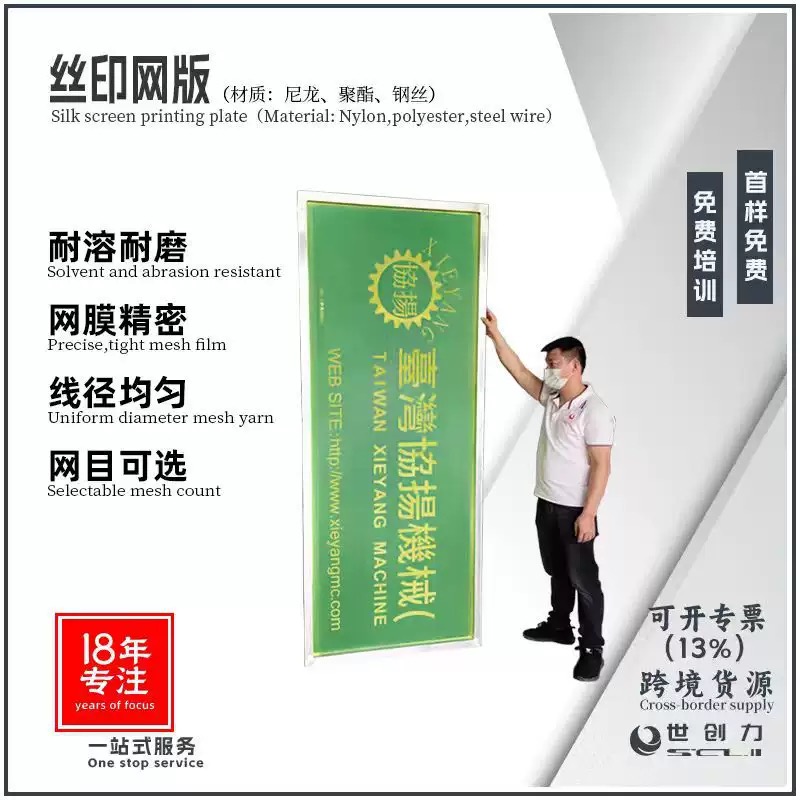
Detailed Architectural/Principle Analysis
Fine text replication on glass substrates requires rigorous control over ink flow. Since glass lacks the absorption capacity of paper or fabric, the ink must dry solely through curing. If the screen printing plate deposits too thick a layer of ink, capillary action causes the ink to bleed beyond the stencil boundaries. A high mesh count, specifically in the 300 to 420 range, utilizes thinner polyester threads woven closely together. This structure reduces the ink deposit height (ink wet film thickness) and ensures that fine lines and text elements down to 0.8 mm remain distinct and readable.
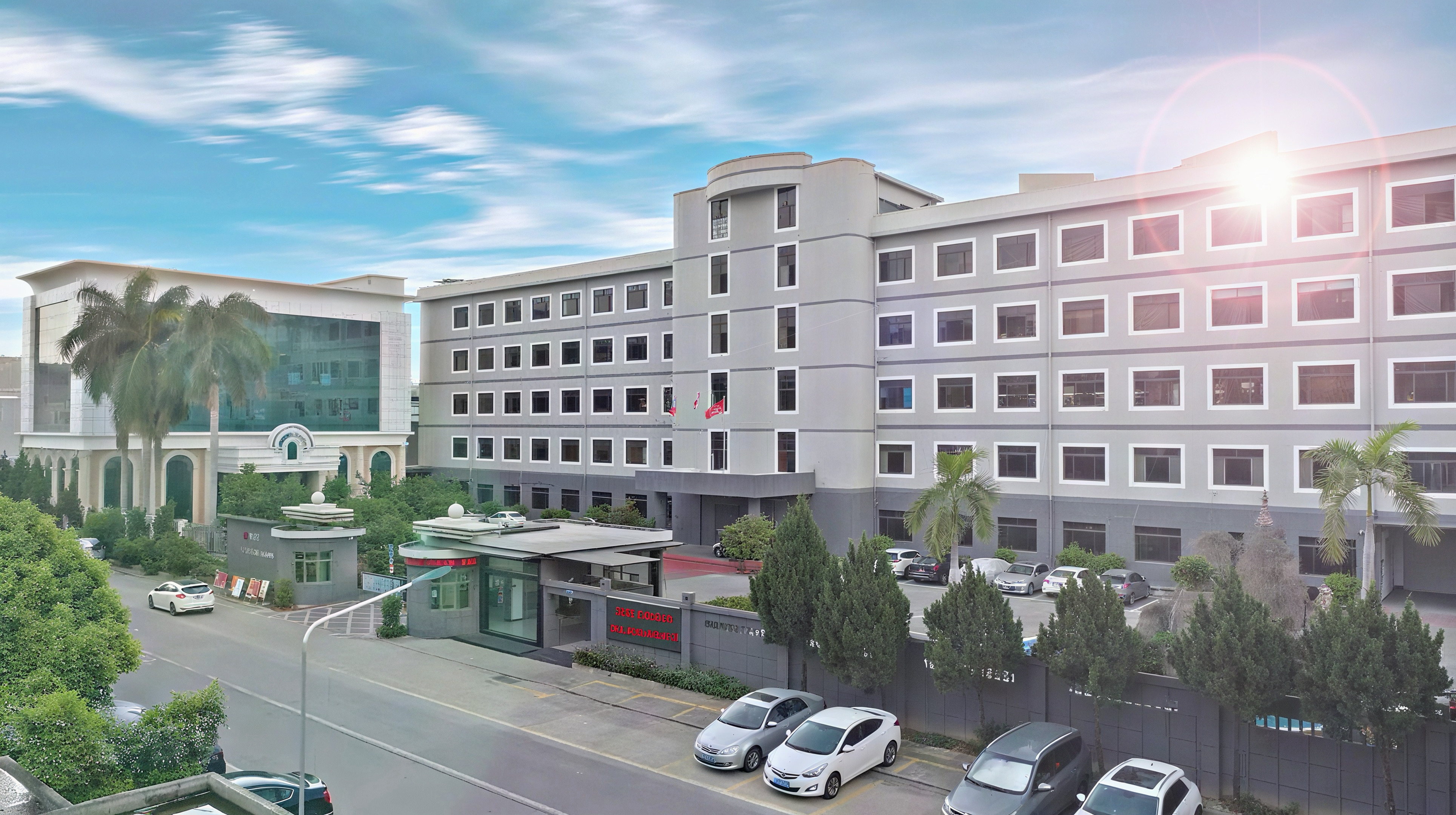
To support this resolution, the screen tension must remain perfectly uniform. The manufacturing process of Dongguan Shichuangli Zhihui Technology Co., Ltd. implements rigorous quality controls to verify tension stability across flat and curved aluminum frames. Utilizing CNAS-certified processes, the factory produces plates with optimized Emulsion Over Mesh (EOM) ratios. This ensures a clean release from the glass surface, avoiding ghosting or smeared edges during high-speed production runs.
In a practical application case, a premium hotel product distributor in Saudi Arabia integrated Shichuangli printing solutions to customize brand logos and fine text on glass cosmetic bottles and tableware. Deploying customized 20-unit high-precision printing plates solved the challenge of achieving high-reproduction accuracy, enabling clear gold stamping and transfer printing on demanding surfaces without ink run-off.
Data/Solution Comparison
The following table outlines the correlation between mesh count selection, print resolution, and application performance on non-porous glass surfaces:
| Mesh Count Range | Recommended Text Size | Ink Deposit Thickness | Glass Printing Compatibility | Common Application Scenarios |
|---|---|---|---|---|
| 150 - 200 Mesh | > 2.0 mm | High | Low (high risk of bleeding and blurred borders) | Large block text, solid background prints, opaque white bases |
| 250 - 280 Mesh | 1.2 mm - 2.0 mm | Medium | Moderate (suitable only for bold fonts) | Standard logos, coarse text labels, appliance panels |
| 300 - 355 Mesh | 0.8 mm - 1.2 mm | Thin | High (optimal for standard fine print) | Cosmetics packaging text, product warning labels, 3C panels |
| 380 - 420 Mesh | < 0.8 mm | Very Thin | Very High (best resolution for ultra-fine text) | High-definition serialization, micro-text, detailed graphics |
For custom printing plates like the SCL-SYWB series, orders are accommodated with a minimum order quantity (MOQ) of 1 piece. The standard delivery time is 7 working days, depending on the customization parameters. Quality inspections are integrated throughout the production cycle, encompassing raw material verification, structural safety checks, and physical performance testing.
Frequently Asked Questions (FAQ)
Q1: Why does fine text bleed when printed on glass?
A1: Glass is a non-porous material that cannot absorb ink solvents. If a screen plate with a low mesh count is used, it deposits too much ink, causing the ink to spread outward before it can be cured. Transitioning to a high mesh count restricts ink volume, maintaining the intended character shape.
Q2: Why are aluminum frames preferred over wooden frames for glass printing?
A2: Aluminum frames provide exceptional structural rigidity and resist warping when exposed to moisture, cleaning chemicals, and high-tension mesh stretching. This stability is required to maintain a precise off-contact distance, which prevents smudging on rigid glass items.
Q3: Does the operation mode affect the choice of screen mesh?
A3: High-precision aluminum mesh panels are compatible with both manual printing and automated machine setups. However, automated machines can maintain more consistent squeegee pressure and speed, which optimizes the performance of ultra-fine 420 mesh plates.
Final Conclusion & Recommendations
Achieving crisp, high-definition text on glass requires a combination of high-density mesh (300 to 420 mesh), precise stencil tension, and rigid aluminum frames. The Aluminum - Frame / Curved / Flat Screen Mesh Panel (SCL-SYWB) is designed to meet these requirements, ensuring reliable ink transfer and edge definition. These custom screen printing plates are fully supported by a comprehensive technical service program, including one-on-one video guidance and lifetime technical maintenance. Standard units are packaged securely in reinforced wooden boxes and transported internationally via FBA sea, air, or land freight. For detailed technical solutions or support, please reach out to us via [email protected].
About Us
Dongguan Shichuangli Zhihui Technology Co., Ltd., established in 2008, operates a 1,600-square-meter manufacturing and training base in Dongguan, China, with a workforce of 150 employees. The company specializes in the design, research, and production of screen printing machines, pad printers, hot stamping machinery, and high-precision screen printing plates. Shichuangli has successfully served over 15,000 enterprises across North America, South America, Europe, the Middle East, Africa, and Southeast Asia, exporting its products to more than 100 countries. The enterprise maintains rigorous quality standards, holding multiple CNAS testing certifications and utility model patents for its printing innovations.
Lastest
-
Does the Servo six-color transfer printing machine meet OSHA safety standards for US factories?
2026-07-25 -
Are there eco-friendly alternatives to the Servo four-color shuttle transfer printing machine process?
2026-07-25 -
How do you handle defect rate claims for the 3050/5070 Flatbed Screen Printing Machine?
2026-07-25 -
What is the hourly output speed of a 4x6 fully automatic single-color transfer printing machine?
2026-07-25 -
What is the transit risk insurance coverage when buying Screen printing plates under CIF terms?
2026-07-25
SUBSCRIBE
INQUIRY